
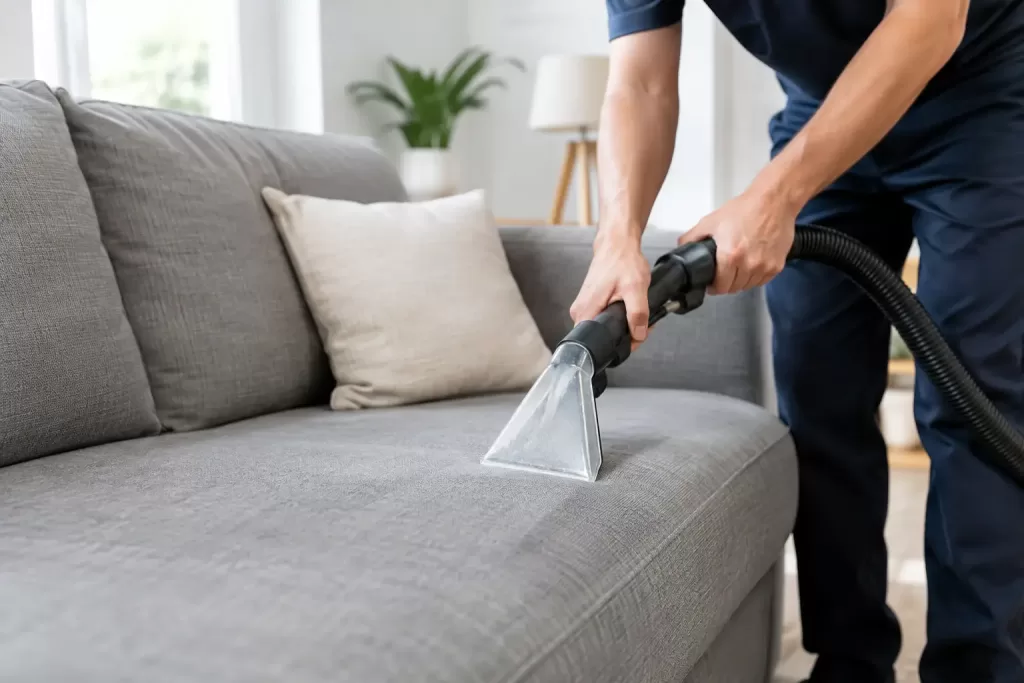
The spot on the armrest may be small, but it usually tells a bigger story. Upholstered furniture collects body oils, pet hair, snack crumbs, dust, allergens, and everyday odors long before it starts to look truly dirty. A professional upholstery cleaning service gives sofas, chairs, sectionals, and recliners the deep refresh that regular vacuuming cannot provide.
For Cedar Valley households, furniture has to stand up to real life: kids climbing on the couch, dogs claiming their favorite cushion, guests gathering in the living room, and Iowa weather tracking moisture and grit indoors. Professional cleaning is not about making a room look perfect for one afternoon. It is about removing the buildup that makes furniture feel dull, smell stale, and wear faster.
Signs Your Furniture Needs Professional Cleaning
You do not need to wait for a major spill to schedule upholstery cleaning. In many homes, the best time is when the furniture still looks mostly fine but no longer feels as fresh as it should.
A couch may need attention if its fabric looks darker around headrests, armrests, or favorite seats. Those areas collect natural oils from skin and hair, along with lotion, makeup, and daily grime. Light-colored fabric often shows this first, but darker upholstery can hold just as much buildup without making it obvious.
Odors are another clear sign. Pet odors, food smells, smoke residue, and the faint musty smell that develops in a closed-up home can settle into upholstery fibers and cushion padding. Room sprays may cover the smell briefly, but they do not remove what is causing it.
Fresh spills should also be addressed quickly. Blotting is helpful, but rubbing can spread the stain or push it deeper into the fabric. Coffee, juice, grease, pet accidents, ink, and food stains all respond differently. The sooner the fabric is treated correctly, the better the chance of improving the result.
For active homes with children or pets, annual upholstery cleaning is often a practical baseline. A household with multiple pets, frequent entertaining, allergies, or heavily used furniture may benefit from service every six to 12 months. It depends on the fabric, how often the furniture is used, and what it has been exposed to.
What an Upholstery Cleaning Service Can Remove
Professional equipment and the right cleaning solutions make a difference because upholstery is not just surface fabric. Soil works its way into fibers, cushion seams, and areas that are difficult to reach with home tools.
A thorough cleaning can help remove embedded dry soil, pet hair, food residue, body oils, everyday odors, and many common spots and stains. It can also reduce allergens and dust that settle where families sit, relax, and spend time together.
That said, honest expectations matter. Some stains permanently alter fabric color, especially older stains, bleach spots, dye transfer, sun fading, and damage from harsh store-bought cleaners. A professional can often make these areas look much better, but no reputable cleaner should promise that every stain will disappear.
The goal is a cleaner, fresher piece of furniture with visible improvement and a more comfortable feel. Every result is earned through proper inspection, careful treatment, and attention to the material in front of us.
Fabric Type Changes the Cleaning Approach
Not every sofa should be cleaned the same way. Durable synthetic fabrics often tolerate more intensive extraction, while delicate natural fibers, textured weaves, velvet, microfiber, and specialty materials may require a more controlled approach.
Before cleaning begins, the technician should inspect the fabric, test products in a less visible area when needed, and identify concerns such as loose seams, worn fabric, prior stain treatments, or color sensitivity. This step protects your furniture and helps set clear expectations before the work starts.
Why DIY Upholstery Cleaning Can Fall Short
A rental machine or handheld spot cleaner can be useful for a quick response to a small spill. For whole-furniture cleaning, however, DIY methods can create problems when too much moisture, soap, or the wrong product is used.
Overwetting can leave cushions damp for too long, increasing the chance of lingering odors or wicking. Wicking happens when soil deep in the fabric or padding rises to the surface as it dries, making a spot appear again after it seemed gone. Too much detergent can also leave a sticky residue that attracts dirt faster.
Home remedies are another gamble. Dish soap, baking soda, vinegar, and stain sprays may be harmless on one fabric and damaging on another. They can change texture, lighten color, or make professional stain removal more difficult later.
Professional cleaning brings stronger extraction, controlled application, and products selected for the upholstery type and condition. Dry Time uses professional-grade equipment and family- and pet-safe cleaning solutions to target soil and odors without treating your home like a test project.
How to Prepare for Upholstery Cleaning
Preparation is simple, and a few minutes beforehand helps the appointment move smoothly. Remove throw blankets, decorative pillows, toys, and personal items from the furniture. If cushions are removable, leave them accessible unless they are attached or especially delicate.
A quick vacuum is helpful but not required. The more important step is pointing out any stains, pet accidents, problem odors, or areas that concern you. Let the cleaner know what caused the spot if you can. Knowing whether a mark came from coffee, grease, pet urine, or a mystery spill helps guide treatment.
You may also want to make a plan for pets and children during the appointment. Cleaning is safe when handled properly, but giving everyone a little room makes it easier to complete the job carefully and efficiently.
What to Expect After Cleaning
Most upholstery will feel slightly damp after professional cleaning, especially in thicker cushions or heavily soiled areas. Drying time depends on fabric type, airflow, humidity, how much cleaning was needed, and the density of the padding. In many cases, furniture is ready for normal use within several hours.
Good airflow helps. Running ceiling fans, opening windows when weather allows, or using your home’s HVAC system can speed drying. Avoid placing blankets or pillows back on damp furniture, and try not to sit on it until it is dry. This keeps freshly cleaned fibers from being compressed or resoiled.
If a stain reappears as the fabric dries, do not panic. Let the cleaner know. Some deep spots require follow-up treatment, and addressing them quickly gives the best opportunity for improvement.
Keep Furniture Fresher Between Appointments
Regular care extends the life of your upholstery. Vacuum cushions and crevices regularly, rotate removable cushions when possible, and blot spills right away with a clean white towel. Avoid scrubbing, which can spread the stain and roughen fabric fibers.
For pet owners, washing pet blankets and keeping favorite pet spots covered can reduce oils, hair, and odors on the upholstery itself. If your furniture is in a sunny room, closing blinds during the brightest parts of the day can also help limit fading.
A Cleaner Seat for Everyday Life
Your furniture should feel like a place to relax, not a reminder of every spill, muddy paw print, or busy week. Whether your sectional needs an annual refresh or a favorite chair has a stubborn odor that will not leave, professional upholstery cleaning can make the room feel cared for again.
If you are in Waverly, Cedar Falls, Waterloo, Allison, Parkersburg, or a nearby Cedar Valley community, ask for a free estimate before the buildup gets worse. Clean furniture is easier to maintain, more pleasant to use, and ready for whatever life brings home next.